
HyperText Strategies

    // Services

    1 The picture

    Off-the-shelf fills most of the picture.

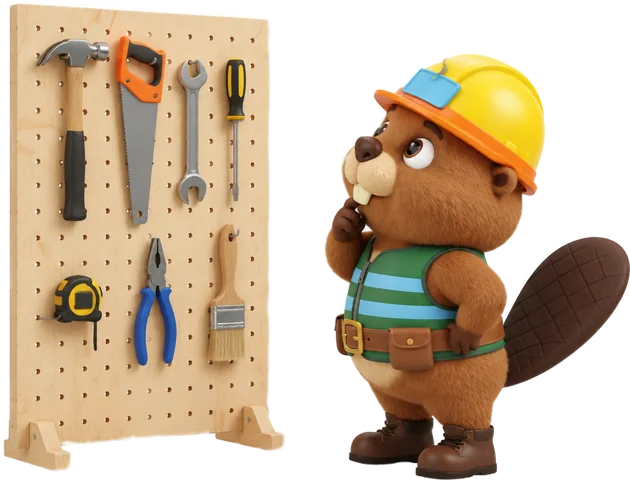
    Accounts, payments, email, a calendar. Each app is a stock piece, cut the same for everyone, and it covers the standard parts of your week.

    2 The gap

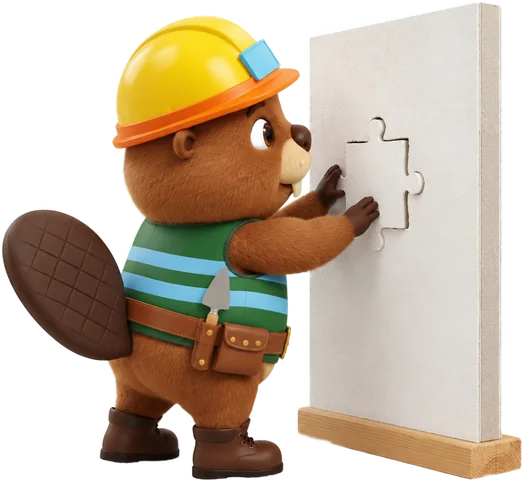
    The gap is the part that’s yours.

    How you quote, book, schedule and chase is specific to you. No box comes with that piece, so there’s always a hole.

    3 By hand

    So you fill it by hand.

    The same customer goes in the notebook, the quote, the crew text and the invoice. And next week, again.

    4 Another app

    Another app won’t fit it.

    It’s cut for someone else’s business. It covers part of the hole, adds another monthly bill, and you still fill the rest by hand.

    5 Built to fit

    So we build the piece to fit.

    We measure how you actually work, then build that exact shape. It plugs into the tools you keep, so details go in once.

    6 Yours

    The picture’s complete. The piece is yours.

    Price agreed before we start. Handed over with the code and every account in your name. Nothing to rent.

    Tell us about the job
    What we build

    One piece, built to your gap.

    It’s one project with one price, agreed before we start. Depending on your gap, the piece can be any of these, or several working together.

    • Software for the way you run things

      Jobs, bookings, stock, rotas: whatever your week repeats, in one system shaped around how you do it.

    • Online tools your customers use

      Booking, ordering and quotes your customers handle themselves, on your own site, at any hour.

    • Apps for you and your team

      On a phone in the van, a tablet on the shop floor or a screen behind the bar, showing what matters right now.

    • Your tools, talking to each other

      We connect the apps you keep, like your accounts and payments, so details flow between them instead of through you.

    • One home for your records

      Customers, jobs and history in one place, in your name, so nothing lives only in someone’s head or notebook.

    • Numbers and chores that run themselves

      Today’s figures on one screen, and the reminders, chasers and reports that go out on their own.

    Your gap

    Which one sounds like your week?

    Double handling · could be built

    “I copy things from one place to another all day.”

    Now
    From a notebook to a form, to the diary, to a message. Each copy is another chance to get it wrong.
    Built
    Put it in once, and it turns up everywhere it’s needed, already filled in.

    Requests · could be built

    “Requests come from everywhere, and some slip through.”

    Now
    Calls, texts, emails, social messages and the doorstep. You’re the only one who knows what’s still waiting.
    Built
    All of it lands in one list, with who’s on it and what happens next.

    Interruptions · could be built

    “I spend my day answering questions instead of doing the work.”

    Now
    Are you free Friday? Is it ready yet? How much is it? And the job in front of you stops again.
    Built
    Customers find the answer or book it themselves, so you’re only interrupted when it matters.

    Paper · could be built

    “Everything important is on paper somewhere.”

    Now
    Diaries, forms, notebooks and sign-off sheets. If one’s lost, soaked or left at home, so is what was on it.
    Built
    It all lives on your phones and screens, saved in one place and easy to find when someone asks.

    Keeping track · could be built

    “If I’m not there, nobody knows what’s going on.”

    Now
    It’s all in your head and your notebook, so the questions come back to you, even on your day off.
    Built
    Everyone sees what’s booked, what’s done and what’s next, without having to ask you.

    Your job

    “Mine’s something else.”

    Now
    Something eats your week, and nobody has built a tool for it.
    Built
    Tell us about it. If it comes round every week, there’s a good chance it can be built. If it can’t, we’ll say so.
    Tell us about the job

    And the rest of the plate.

    • Sign-in sheets
    • Quote follow-ups
    • Stock alerts
    • Staff rotas
    • Appointment reminders
    • Review requests
    • Onboarding packs
    • Renewal notices
    • Supplier orders
    • Delivery notes
    • Timesheets
    • Compliance logs

    If it comes round every week, ask us about it.

    Your options

    Hire, rent or buy.

    Every gap gets filled somehow. Here’s what each way costs you, and when it’s the right call.

    • Hire someone

      Money every month, ongoing

      When it needs a person: making judgement calls, running the team.

    • Rent an app

      Money every month, ongoing

      When everyone does it the same way: accounts, card payments, email.

    • Buy it

      Price agreed before we start. Then it’s yours.

      When it’s how only you work, every week: your bookings, quotes and job sheets, for example.

    We spent years selling off-the-shelf software, so we know where it falls short. If one fits how you work, we’ll tell you to rent it.

    How it works

    Five stages, then it’s yours.

    1. Discovery

      A free one-hour session to understand how you work. If nothing needs building, we’ll tell you.

    2. Blueprint

      We write down how you actually work, then agree what it will do and the price, in writing.

    3. Build

      We build it while you watch, on a private preview link.

    4. Test

      Your team tests every item. Nothing goes live until we both agree it’s complete.

    5. Off ramp

      We stay with you for a month after launch, then hand over the keys and remove our access.

    “…built around how we actually operate rather than expecting us to change everything to fit a system.”

    Chris B, Director, Mystery Tavern

    Tell us about the job.

    A conversation in plain English. If the honest answer is hire or rent, we will say so.

    Start a conversation

    Or call 07835 572453 · WhatsApp